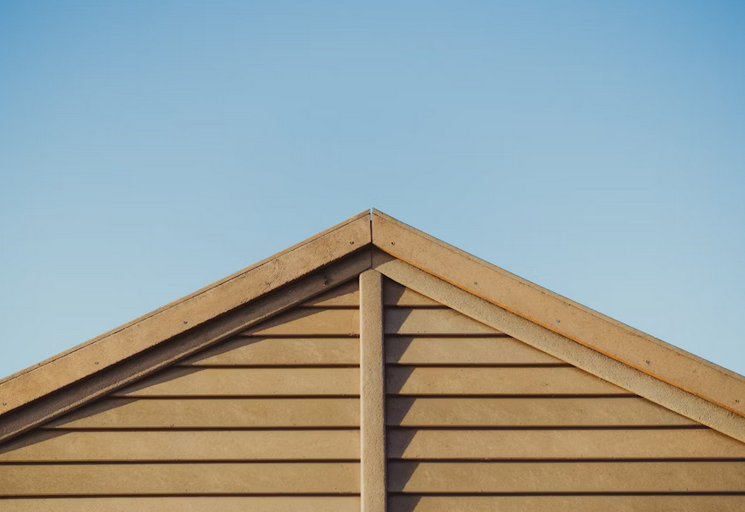
When it comes to selling your home, few features make as strong a first impression as the roof. A well-maintained roof signals buyers that the property has been cared for, while a damaged or outdated one can instantly lower interest and value. In competitive markets, exploring local expertise like roofing hilo can provide homeowners with the right upgrades or repairs to boost curb appeal and long-term durability. Investing in quality roofing doesn’t just improve aesthetics—it can significantly increase resale value by giving buyers confidence in the home’s condition. Ultimately, a solid roof can be the deciding factor that turns interest into a successful sale.
First Impressions
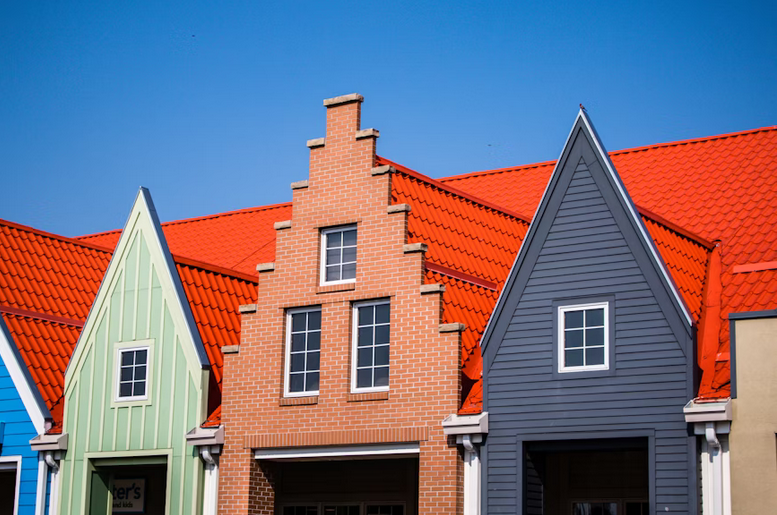
Curb appeal plays a massive role in how buyers perceive a home, and the roof is front and center in that equation. A roof in good condition signals that the property has been cared for, which can give buyers confidence before they even step inside. A faded or patchy roof, on the other hand, makes the house look tired and in need of work. Even if everything else inside sparkles, a neglected roof can sour that critical first impression and lower the offers you receive.
Energy Efficiency and Comfort
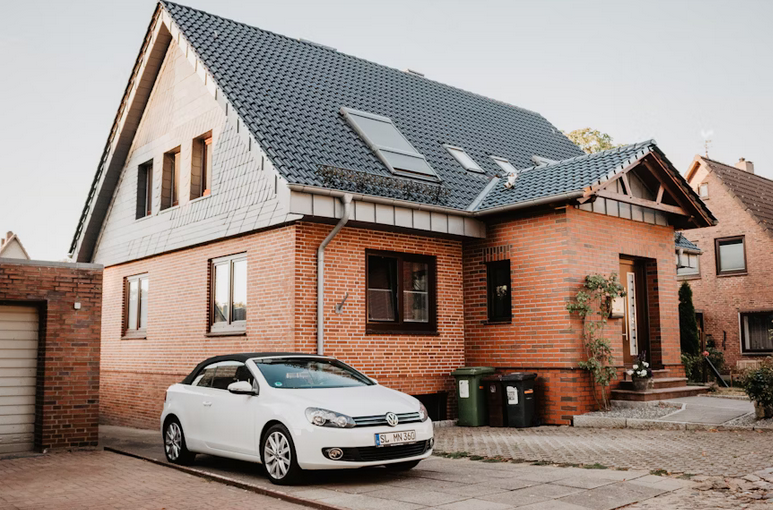
Today’s buyers are more conscious about energy costs, and the roof has a big role in those expenses. Modern roofing materials with better insulation and reflective coatings can help regulate indoor temperatures, keeping homes cooler in the summer and warmer in the winter. Lower utility bills are a strong selling point, especially for buyers looking at long-term savings. A roof that promises energy efficiency isn’t just a bonus—it’s a value booster that appeals to both eco-minded and budget-conscious buyers.
A Way to Avoid Inspection Surprises
Home inspections are where hidden issues come to light, and the roof is always on the checklist. If an inspector finds leaks, sagging, or extensive wear, buyers often use that as leverage to lower the price or demand costly repairs before closing. Having a roof in solid condition eliminates this hurdle, speeding up the selling process and keeping negotiations smooth. In contrast, skipping repairs can leave you with lower offers or even a collapsed deal. A sound roof keeps surprises at bay and strengthens your negotiating position.
Lifespan and Warranty Appeal
Buyers often want to know how long before they’ll need to spend big on major home repairs. A new or recently updated roof provides peace of mind, signaling that the house won’t need such an investment anytime soon. Some roofing systems also come with transferable warranties, which can sweeten the deal further. Being able to hand over that paperwork during a sale reassures buyers they’re protected, making your property more attractive compared to others on the market.
Return on Investment
Replacing or upgrading a roof isn’t cheap, but the return on investment can be impressive. Industry studies consistently show that homeowners recoup a large percentage of roofing costs in increased resale value. While you might not recover every dollar, the added appeal, faster sales timeline, and stronger bargaining power often make it worthwhile. In many cases, the difference between offers with an old roof versus a new one can be tens of thousands of dollars, proving that roofing is more than just a maintenance expense.
Roofing plays a bigger role in resale value than many homeowners realize. From boosting curb appeal and energy efficiency to avoiding inspection pitfalls and offering long-term reassurance, a well-maintained roof can directly influence how quickly your home sells and for how much. While investing in a new roof may feel like a big decision, the payoff in buyer confidence and stronger offers makes it a smart move. In the end, your roof isn’t just protecting your home—it’s protecting your home’s market value too.…