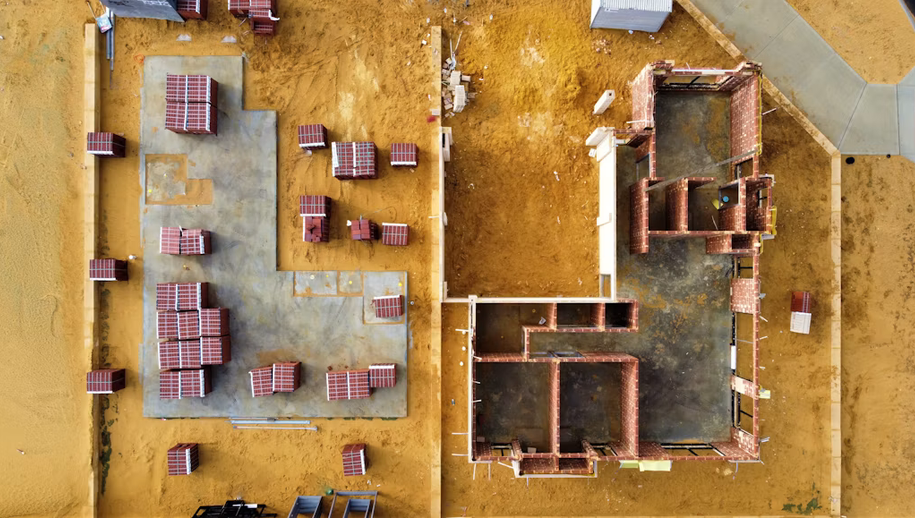
Lot orientation can have a lasting influence on how a residential property performs, develops, and responds to its surrounding environment. The direction a plot faces affects exposure to sunlight, prevailing weather conditions, views, privacy, outdoor spaces, and the positioning of future buildings. These characteristics may not always be obvious when land is first evaluated, but they can become increasingly important as a property is developed and occupied. Understanding lot orientation therefore provides useful insight into the relationship between a piece of land and the home that may eventually stand on it.
How Sunlight Exposure Shapes a Property
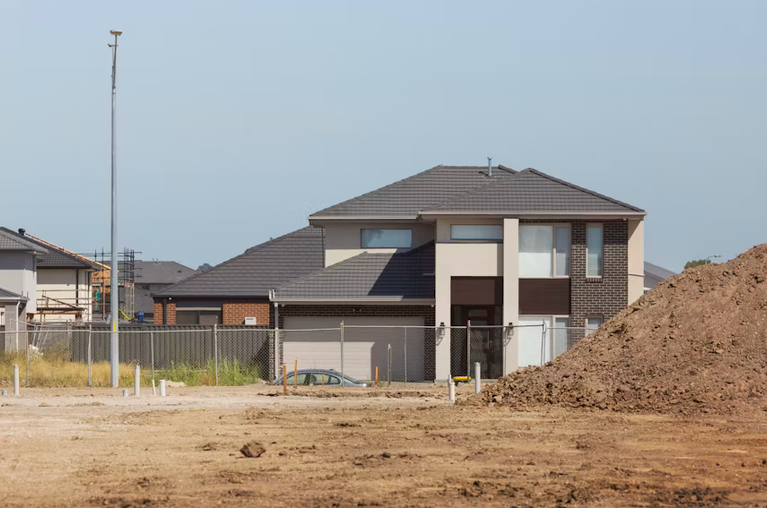
The orientation of a lot influences how sunlight reaches different parts of the site throughout the day. The position of the sun changes with time of day and season so that some areas may receive more direct light than others depending on their orientation. This can affect the potential placement of living spaces, windows, gardens, and outdoor areas. Over time, access to natural light can influence how comfortable and functional different parts of a home feel, making orientation an important characteristic of residential land.
The Connection Between Orientation and Outdoor Spaces
 Gardens, patios, balconies, and other outdoor areas can respond differently depending on the direction in which they face. Sun exposure, shade, wind movement, and surrounding structures can all influence how these spaces are experienced. Orientation can also affect vegetation by creating different conditions for plants and landscaped areas. These characteristics contribute to the long-term usability of outdoor spaces and can influence how residents interact with the property throughout different seasons.
Why Orientation Influences Building Placement
The relationship between a lot and its surrounding boundaries can affect where a house can be positioned most effectively. Orientation interacts with factors such as access roads, neighboring properties, setbacks, and available outdoor space. The direction of the plot may therefore influence how rooms and exterior areas relate to one another. A well-considered relationship between the site’s orientation and the building layout can create a stronger connection between indoor spaces, outdoor areas, and the surrounding environment.
How Surrounding Conditions Affect Long-Term Potential
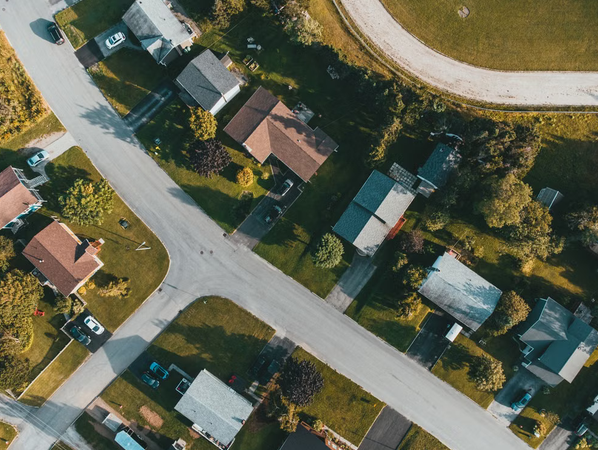
Lot orientation should be considered alongside the features that surround a property. Nearby buildings, roads, trees, open land, and natural features can influence views, privacy, sunlight, and airflow. A site’s orientation may become more significant as surrounding areas develop because new construction can change how light and views reach the property. Understanding the relationship between orientation and neighboring land therefore provides a broader picture of how a property may function over time.
Lot orientation can influence a property’s long-term potential by shaping sunlight exposure, building placement, outdoor spaces, privacy, views, and the relationship between a home and its surroundings. Its importance becomes clearer when considering how residential properties function across different seasons and stages of development. Orientation does not determine the quality of a property by itself, but it forms part of the physical conditions that shape what can be created on a site. For this reason, understanding the direction and context of a lot provides valuable insight into its potential as a residential property.