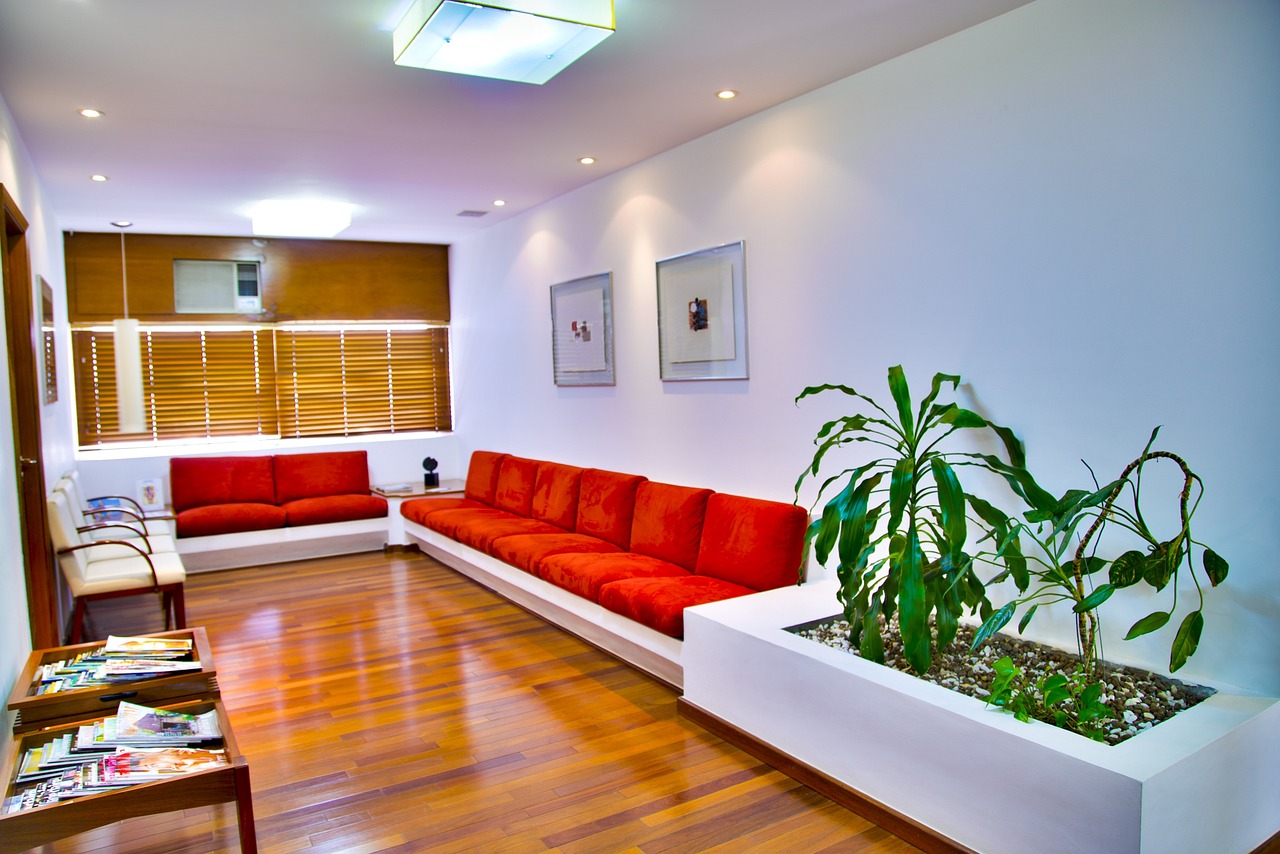
Once the crown jewel of many homes, the formal living room fell out of favor in recent years. With open-concept designs reigning supreme, those spacious corners often became neglected “dead spaces.” But guess what? The tide is turning, and the formal living room is making a stylish comeback. Homeowners are reimagining these once-forsaken areas. They’re transforming them into vibrant hubs for connection, creativity, and comfort. This revival comes as people crave more intentional spaces that foster togetherness rather than diffusion. Let’s dive into this exciting trend as we explore why open concepts are losing their charm and how you can create your own multi-functional haven right at home!
Why People Are Ditching Open Concept
The open-concept layout has been a darling of home design for years. While it promotes spaciousness, many are finding it lacks intimacy and warmth. Noise becomes a significant issue in these vast areas. Conversations from the kitchen spill into the living room, creating chaos rather than comfort. People yearn for designated spaces that allow them to escape the everyday buzz. Privacy is another concern. With family members or guests constantly moving through shared areas, personal moments can feel exposed. The desire for solitude prompts homeowners to seek out more defined environments.
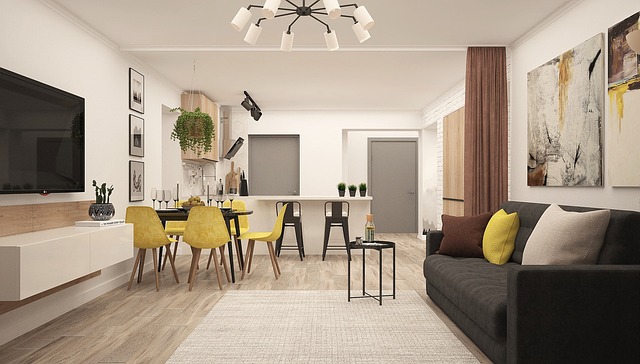
Multi-Functional Formal Spaces (Libraries, Music Rooms)
The modern formal living room is evolving into a versatile haven. Think of spaces that can adapt to your lifestyle. Libraries and music rooms are leading this transformation. We’re talking about a cozy nook lined with books, where you can escape into different worlds. This space serves not just for reading but as a quiet retreat for study or reflection. Adding plush seating invites family and friends to join in the literary adventure. Music rooms bring another layer of charm. Whether it’s practicing an instrument or hosting an intimate concert, these areas foster creativity and connection. Soundproofing ensures that melodies resonate without disturbing the rest of the home.
Conversation Pit Inspirations
The conversation pit is a nostalgic nod to mid-century design, but it’s making waves again in modern homes. This unique layout creates an intimate space for gathering and storytelling. Imagine sunken seating that invites friends and family to sink in together. Surrounding cushions can turn any chat into a cozy experience. Pair it with low tables for easy access to snacks or drinks. Consider different shapes—circular arrangements foster inclusivity while L-shaped designs create defined zones. Mixing textures with plush rugs or wooden accents adds warmth and character. It transforms ordinary moments into memorable gatherings where laughter flows freely.
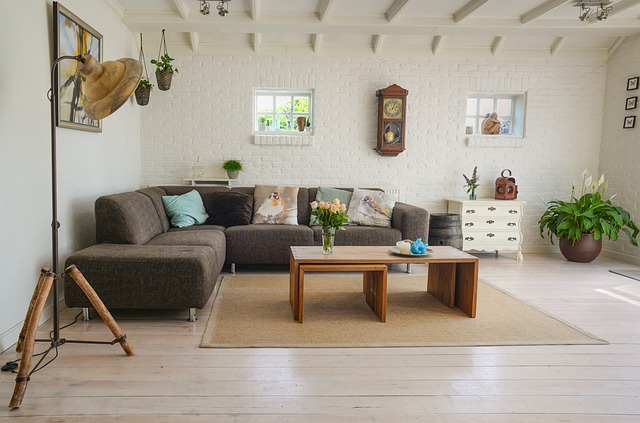
Furniture Arrangements That Encourage Gathering
Creating a welcoming environment starts with thoughtful furniture arrangements. The right setup can transform a formal living room into an inviting space for friends and family. Consider positioning sofas and chairs in a circular or semi-circular formation. This layout fosters conversation and connection, making everyone feel included. Incorporate side tables within reach of each seat. They provide spots for drinks and snacks, enhancing the social experience without disrupting the flow. Adding a central coffee table can serve as both a functional space and a focal point. As homeowners seek to create more meaningful spaces, the formal living room is stepping back into the spotlight. No longer just a ‘dead space,’ it’s being reimagined as a versatile area for relaxation and connection. The shift away from open-concept designs allows for more intimate gatherings.…

 The first question to ask yourself is: how much can I realistically afford? Do the math and look at your credit score before you start shopping. Determine an estimate of what you can afford each month on rent, and stick to it. Also, consider any additional costs that come with renting an apartment, such as security deposits or even pet deposits.
 The last question to ask yourself is how long it will take you to get to work or school from the potential neighborhoods. If possible, try out a few routes and see which ones are the most convenient for your lifestyle. You can also use public transportation maps or ride-sharing services like Uber and Lyft to estimate travel times. Make sure the commute time won’t take away too much of your day.

 Now that you know what type of pest you’re dealing with and how they are getting into your home, it’s time to choose the correct pest control method. There are various methods available, so be sure to research to find the best one for your needs. Some standard methods include traps, pesticides, and baits. If you’re not sure which way to use, consult a pest control professional.